
Craving a savory treat that’s easy to make and full of flavor? You’re in the right place! These make-ahead savory herb scones with cheese are perfect for breakfast, brunch, or a snack. I’ll guide you through simple steps to whip up these fluffy delights. Plus, you'll discover tips for using fresh herbs and selecting the best cheeses. Let’s bake some joy together!
Why I Love This Recipe
- Delicious Flavor Combination: The blend of sharp cheddar and fresh herbs creates an irresistible savory flavor that pairs perfectly with breakfast or brunch.
- Simple and Quick: This recipe is easy to follow and can be prepared in just 35 minutes, making it a perfect option for busy mornings.
- Versatile Serving Options: These scones are delightful on their own or can be served with butter, cream cheese, or even a soup for a hearty meal.
- Perfect Texture: The combination of cold butter and minimal mixing results in scones that are tender and flaky, offering a light and airy bite.
Ingredients
Complete Ingredient List
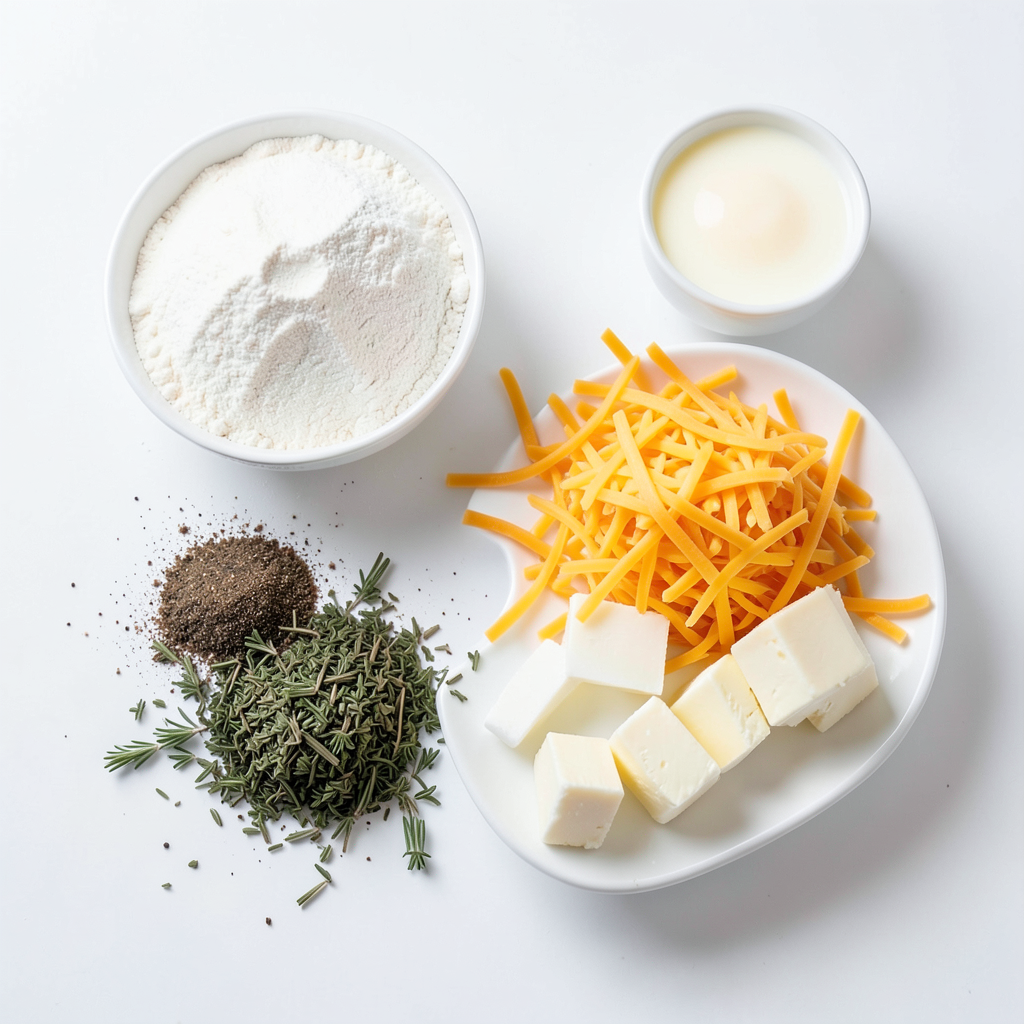
To make savory herb scones with cheese, gather these ingredients:
- 2 cups all-purpose flour
- 1 tablespoon baking powder
- 1/2 teaspoon salt
- 1/4 teaspoon freshly ground black pepper
- 1/2 teaspoon garlic powder
- 1 tablespoon fresh thyme, finely chopped
- 1 tablespoon fresh rosemary, finely chopped
- 1 cup sharp cheddar cheese, shredded
- 1/2 cup cold unsalted butter, cut into small cubes
- 3/4 cup whole milk
- 1 large egg
Tips for Selecting Fresh Herbs
When choosing herbs, look for bright, vibrant leaves. Avoid any with browning or wilting. The smell should be strong and fresh. For this recipe, fresh thyme and rosemary add a great taste. If you can, buy them from a local market. They are often fresher than those in stores.
Cheese Recommendations for Best Flavor
For the best flavor, use sharp cheddar cheese. Aged cheddar gives a deeper taste that pairs well with herbs. You can also try Gruyère for a nutty twist or feta for a salty punch. Remember to shred the cheese yourself. Pre-shredded cheese often has additives that can affect the texture of your scones.
Step-by-Step Instructions
Prepping Your Oven and Baking Sheet
Start by preheating your oven to 400°F (200°C). This step is key for a perfect bake. Next, line a baking sheet with parchment paper. This will keep your scones from sticking and make cleanup easier.
Mixing Dry Ingredients
In a large mixing bowl, add 2 cups of all-purpose flour, 1 tablespoon of baking powder, 1/2 teaspoon of salt, 1/4 teaspoon of freshly ground black pepper, and 1/2 teaspoon of garlic powder. Whisk these dry ingredients together until they are mixed well. This blend adds flavor and structure to your scones.
Combining Wet Ingredients
In a separate bowl, combine 3/4 cup of whole milk and 1 large egg. Whisk them together until fully mixed. This mixture brings moisture and richness to your scones, making them soft and tasty.
Forming and Slicing the Dough
Once your wet ingredients are mixed, pour them into the dry mixture. Gently stir with a wooden spoon or spatula until just combined. Avoid overmixing to keep your scones light. Transfer the dough to a floured surface, pat it into a round disk about 1-inch thick. Use a sharp knife or pizza cutter to slice the dough into 8 wedges.
Baking the Scones
Carefully place the wedges on your prepared baking sheet, leaving space between them. Bake in the preheated oven for 15 to 20 minutes. You want them to turn golden brown on top. A toothpick inserted in the center should come out clean. Once baked, allow them to cool on a wire rack before serving. These scones are best served warm, but they store well too!
Tips & Tricks
How to Achieve the Perfect Texture
To get the best texture, start with cold butter. Cold butter makes your scones flaky. Use a pastry cutter or your fingers to mix the butter into the flour. You want to see small lumps of butter. This helps create a nice rise when baking.
Avoiding Overmixing for Fluffiness
Mix your ingredients gently. Overmixing makes scones tough. When you add the milk and egg, stir just until combined. Don't worry if the dough looks a bit rough. A light touch keeps them soft and fluffy.
Cleaning and Maintenance of Your Baking Tools
After baking, clean your tools right away. Soak mixing bowls and utensils in warm, soapy water. For stubborn dough, let the tools sit for a bit. Use a soft sponge to avoid scratches. Store your tools in a cool, dry place. Well-maintained tools last longer and help you bake better.
Pro Tips
- Use Cold Ingredients: Ensure your butter and milk are cold to achieve flaky scones. This helps create steam during baking, resulting in a lighter texture.
- Don't Overmix: Gently combine the ingredients to avoid tough scones. Overmixing develops gluten, leading to denser scones rather than light and fluffy ones.
- Experiment with Cheese: Try different types of cheese like feta or gouda for unique flavors. Mixing cheeses can also enhance the overall taste profile of your scones.
- Add a Glaze: Brush the tops of the scones with a mixture of milk and egg before baking for a golden, glossy finish that enhances their visual appeal.
Variations
Incorporating Different Cheeses
You can change up the flavor by using different cheeses. Try goat cheese for a tangy taste or feta for a briny kick. If you love blue cheese, it adds a robust flavor. Mixing cheeses can create a delightful blend. Remember to shred or crumble your cheese so it mixes well into the dough.
Herb Substitutions and Additions
Feel free to swap herbs based on what you have. Basil or parsley can bring a fresh twist. You can also add a pinch of red pepper flakes for a bit of spice. Don’t forget about dill or chives! Each herb adds its own unique flavor profile to your scones.
Gluten-Free Options
If you need a gluten-free version, use a gluten-free flour blend. Make sure it contains xanthan gum for structure. You can create tasty scones without gluten while keeping the same great flavor. Just be aware that gluten-free scones may have a different texture but can still be delightful!
Storage Info
Best Practices for Storing Scones
To keep your savory herb scones fresh, store them in an airtight container. This helps maintain their soft texture. Place a piece of parchment paper between layers if you stack them. Avoid placing warm scones in the container, as steam can make them soggy.
Freezing and Reheating Instructions
You can freeze scones to enjoy later. Allow them to cool completely after baking. Wrap each scone in plastic wrap or foil. Place the wrapped scones in a freezer-safe bag. They will keep for up to three months. To reheat, preheat your oven to 350°F (175°C). Unwrap the scones and place them on a baking sheet. Heat for about 10-15 minutes until warm.
Shelf Life in Airtight Containers
When stored in an airtight container, savory scones can last for about two to three days at room temperature. If you want to keep them longer, refrigeration can extend their life to about a week. Just remember to reheat before serving for the best taste!
FAQs
Can I make the dough ahead of time?
Yes, you can make the dough ahead of time. Prepare the dough and shape it into wedges. Then, wrap it tightly in plastic wrap and place it in the fridge. You can store it for up to 24 hours. When you're ready to bake, just slice and place the wedges on a baking sheet.
What are the best ways to serve savory scones?
Savory scones are best served warm. You can enjoy them plain or with butter. For a fun twist, try adding herbed cream cheese or your favorite spreads. Pair them with soup or salad for a complete meal. They also make a great snack with cheese or olives.
How can I tell when the scones are done baking?
To check if the scones are done, look for a golden brown top. You can also insert a toothpick into the center. If it comes out clean, the scones are ready. They should feel firm to the touch but not hard.
Can I use dried herbs instead of fresh?
Yes, you can use dried herbs in place of fresh ones. Use about one-third of the amount. Dried herbs are more concentrated in flavor. Mix them in with the dry ingredients before adding the wet ones. This will help the herbs release their flavor during baking.
We covered key ingredients for savory scones, including fresh herbs and cheese options. You learned how to prep your oven and mix the perfect dough. We explored tips for achieving the right texture and avoiding overmixing. Plus, I shared variations to suit your taste and storage tips for freshness.
Overall, making savory scones is fun and rewarding. Enjoy experimenting with flavors and textures. Happy baking!