

Start your day right with a Protein Breakfast Asparagus and Cheese Omelette! This tasty dish is packed with protein, making it a great choice for busy mornings. In this recipe, you'll learn how to combine fresh asparagus and creamy cheese into a fluffy omelette. Whether you're new to cooking or a pro, you'll find easy steps and tips to create your perfect breakfast. Let’s dive in!
Why I Love This Recipe
- Fresh and Vibrant: This omelette showcases the vibrant colors and fresh flavors of asparagus, making it a delightful dish to enjoy any time of day.
- Cheesy Goodness: The addition of melted cheddar cheese adds a rich creaminess that complements the asparagus perfectly.
- Quick and Easy: This recipe is simple and requires minimal ingredients, making it a great option for a busy morning or a quick brunch.
- Customizable: You can easily modify this recipe by adding your favorite vegetables or changing the type of cheese to suit your taste.
Ingredients
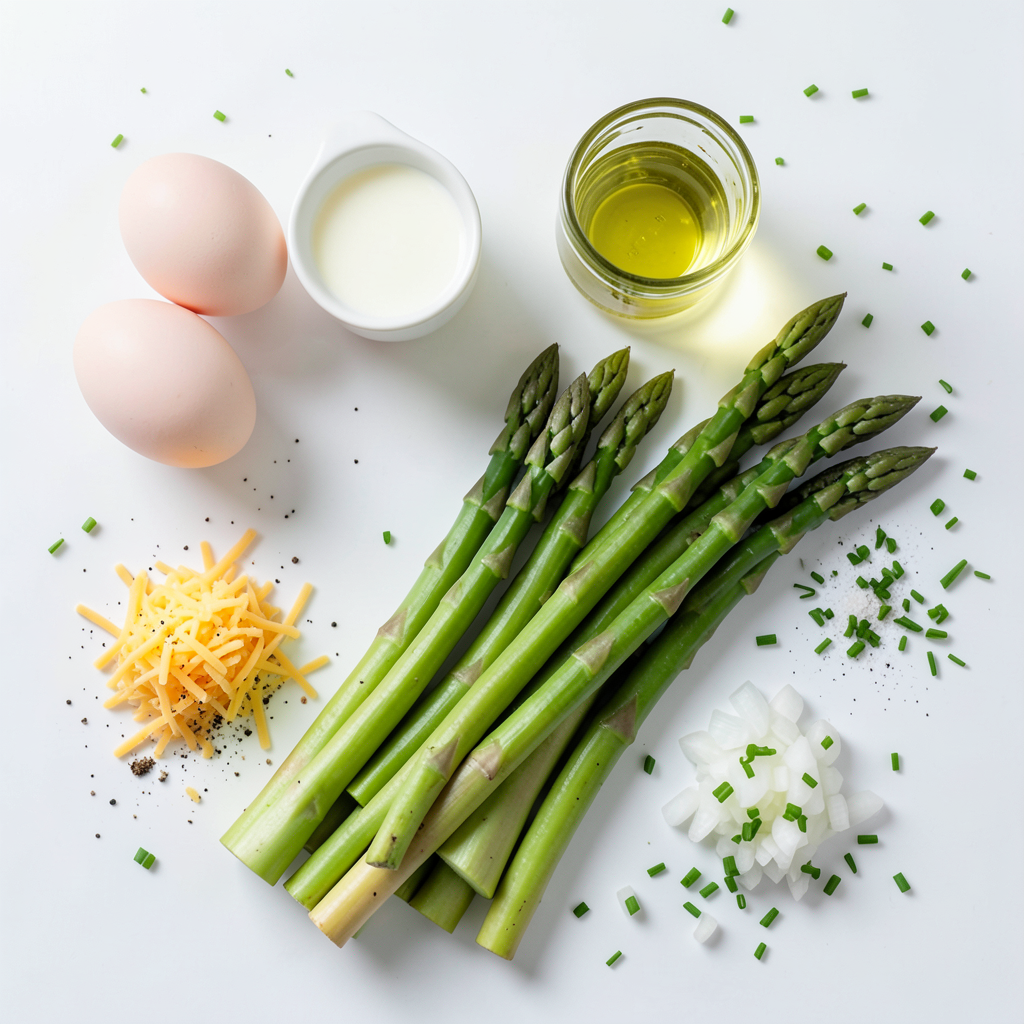
List of Ingredients for Protein Breakfast Asparagus and Cheese Omelette
- 4 large eggs
- 1/4 cup milk (or your preferred milk alternative)
- 1 cup fresh asparagus, trimmed and sliced into 1-inch pieces
- 1/2 cup shredded cheddar cheese (or cheese of your choice)
- 1/4 cup finely diced onion
- 1 tablespoon olive oil
- Salt and freshly ground black pepper to taste
- Fresh herbs such as chives or parsley, for garnishing
Suggested Ingredient Alternatives
If you want to switch things up, try these options:
- Use goat cheese or feta for a tangy twist.
- Swap out the milk for almond or oat milk for a dairy-free version.
- Replace asparagus with spinach or bell peppers for different flavors.
Tips for Selecting Fresh Asparagus
When choosing asparagus, look for bright green stalks. Avoid any that are limp or wilted. The tips should be tightly closed and firm. Fresh asparagus should snap easily when you bend it. This freshness ensures the best taste and texture in your omelette.
Step-by-Step Instructions
Preparation of Egg Mixture
Start by cracking 4 large eggs into a medium bowl. Add 1/4 cup of milk; you can use any milk you like. Whisk the eggs and milk together until smooth. Season the mix with salt and black pepper to taste. This adds flavor and makes the eggs pop.
Cooking Asparagus and Onion
Next, heat 1 tablespoon of olive oil in a non-stick skillet over medium heat. Once the oil shimmers, add 1/4 cup of finely diced onion. Cook for 2-3 minutes. You want the onion to be soft and fragrant. Then, add 1 cup of sliced asparagus to the skillet. Stir and cook for 3-4 minutes. The asparagus should be bright green and tender but still crisp.
Forming and Cooking the Omelette
Now it’s time to combine. Pour the egg mixture over the onion and asparagus in the skillet. Spread it out evenly. Lower the heat to medium-low and cook for about 4-5 minutes. Look for the edges to set while the center is still a bit runny. Sprinkle 1/2 cup of shredded cheese over half the omelette. Gently fold the other half over the cheese with a spatula. Cover the skillet with a lid and cook for an extra 2-3 minutes. This melts the cheese and finishes cooking the eggs. Carefully slide the omelette onto a plate. Garnish with fresh herbs like chives or parsley for color and flavor. Enjoy your delicious protein-packed breakfast!
Tips & Tricks
How to Achieve the Perfect Omelette Texture
To get a perfect omelette, start with fresh eggs. Fresh eggs whip better and create a fluffier texture. Whisk the eggs and milk well. This adds air, making your omelette light. Cook on medium-low heat. This slow cooking allows the eggs to set without burning. Keep an eye on the edges. They should set first while the center remains soft.
Flavor Enhancements and Seasoning Tips
Season your egg mixture with salt and pepper before cooking. This ensures even flavor throughout. Consider adding fresh herbs like chives or parsley for an extra kick. You can also try a pinch of garlic powder or paprika. These enhance the taste without overpowering the asparagus and cheese. Don’t be shy with cheese! A good amount of shredded cheddar adds creaminess.
Presentation Ideas for Serving
For a beautiful presentation, slide the omelette onto a clean plate. Garnish with fresh herbs on top for color. Serve it with a side of mixed greens or toasted sourdough bread. A drizzle of olive oil or a sprinkle of fresh pepper adds a nice touch. This not only makes your plate look great but also adds flavor. Enjoy your meal with a smile!
Pro Tips
- Use Fresh Asparagus: Fresh asparagus not only enhances the flavor but also adds a vibrant color to your omelette. Look for firm, bright green stalks for the best results.
- Whisk Eggs Thoroughly: Make sure to whisk the eggs and milk until fully combined for a light and fluffy omelette. This aeration helps create a tender texture.
- Experiment with Cheese: While cheddar is delicious, try mixing different cheeses like feta, goat cheese, or a sharp Gruyère for varied flavors and textures.
- Don’t Overcook: Keep an eye on the omelette as it cooks; removing it from the heat while the center is slightly runny ensures a moist and tender finish.
Variations
Different Cheese Options to Use
You can change the cheese for great taste. Try feta for a tangy flavor. Goat cheese adds creaminess that pairs well with asparagus. Mozzarella melts beautifully and gives a mild taste. You can also use pepper jack for a spicy kick. Use any cheese you love!
Add-ins for Extra Protein: Ham, Spinach, etc.
Want more protein? Add diced ham for a savory touch. Turkey bacon is a tasty option, too. You can also include cooked chicken or sausage. For extra greens, toss in some fresh spinach. It wilts nicely and boosts the nutrients.
Dairy-Free and Vegan Adaptations
For a dairy-free omelette, use almond or soy milk. Nutritional yeast gives a cheesy flavor without dairy. You can use tofu as a base for a vegan option. Blend it with spices for flavor. Add in your favorite veggies to keep it exciting!
Storage Info
How to Store Leftover Omelette
To store your leftover omelette, let it cool first. Place it in an airtight container. This helps keep the omelette fresh. You can store it in the fridge for up to three days. Make sure to seal it well. If you leave it open, the omelette can dry out.
Reheating Tips for Best Texture
When you are ready to eat your leftover omelette, heat it gently. Use a non-stick skillet over low heat. This helps keep the eggs soft and fluffy. You can also microwave it for about 30 seconds. Cover it with a damp paper towel to keep moisture. If you want a crisp edge, use the skillet method.
Freezing Options and Tips
You can freeze the omelette if you want to save it for later. Cut the omelette into slices. Wrap each slice in plastic wrap. Then, place the wrapped slices in a freezer bag. Make sure to label the bag with the date. This way, you will know how long it has been in the freezer. It can last up to two months. When ready to eat, thaw it in the fridge overnight before reheating.
FAQs
How do I make my omelette fluffy?
To make your omelette fluffy, beat the eggs well. Add milk for extra air. Whisk until smooth and light. Cook on low heat to allow it to rise. Avoid overcooking it, as this can make it dense.
Can I use frozen asparagus for this recipe?
Yes, you can use frozen asparagus. Just thaw it first and drain excess water. Frozen asparagus may be softer than fresh, so adjust your cooking time. Add it to the skillet after sautéing the onion until heated through.
What other vegetables can I add to my omelette?
You can add many veggies to your omelette. Try bell peppers, tomatoes, or mushrooms. Spinach and kale are great for added nutrition. Always chop them small for even cooking and great flavor.
You learned about making a tasty protein breakfast omelette. We covered key ingredients, alternatives, and tips for fresh asparagus. The step-by-step guide ensures you cook it just right. I shared tricks for texture and flavor, plus creative variations. Don't forget about storage tips for leftovers.
Making omelettes is simple and fun. You can adjust them to your taste or needs. Enjoy each bite of your delicious creation and share with friends!